Hongcun & Xidi
宏村与西递 · Hóngcūn & Xīdì
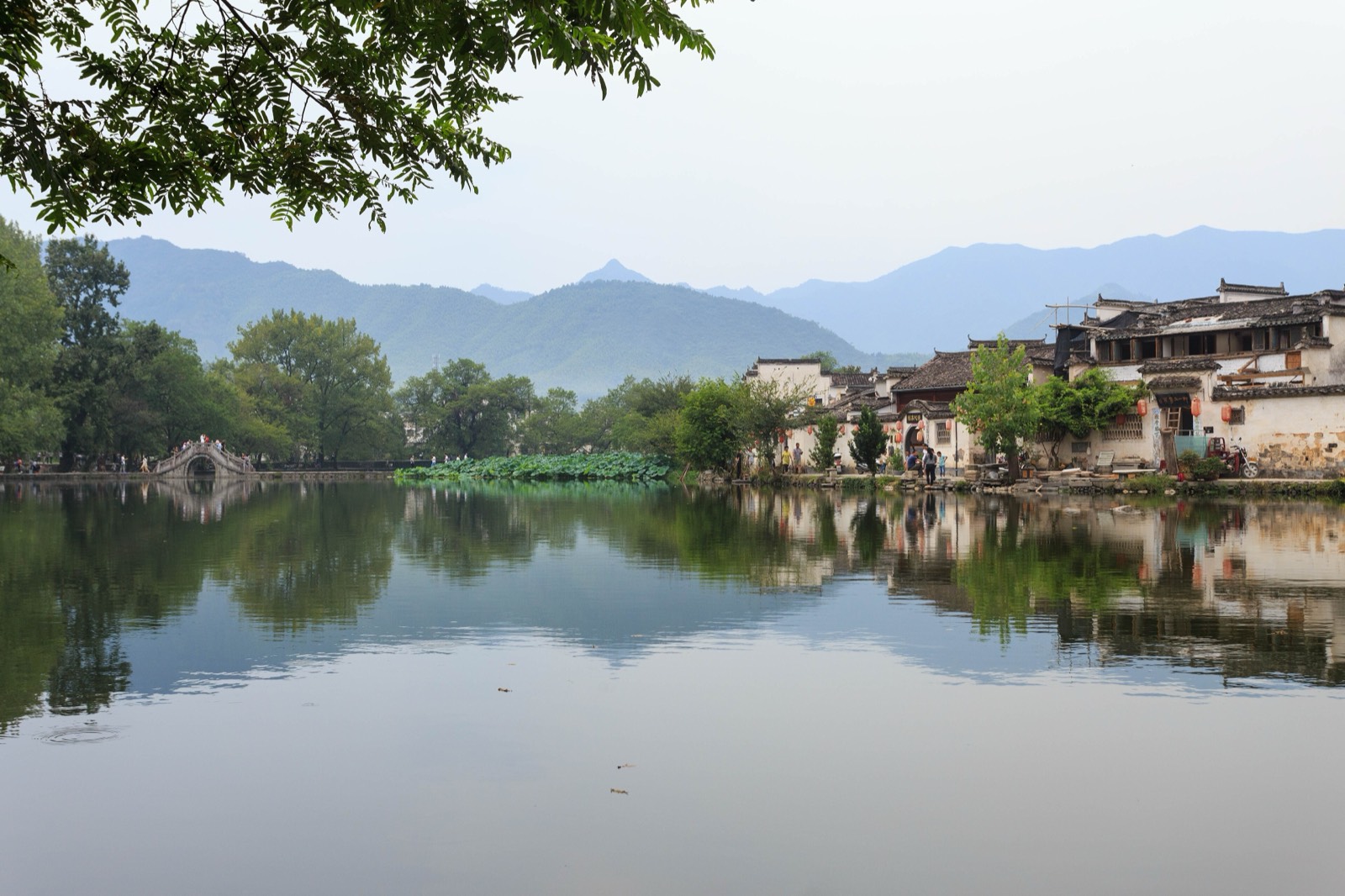
White walls, black tiles, and a village laid out in the shape of an ox with a stream running through every house.
Photo: Zhangzhugang · CC BY-SA 4.0
The Huizhou merchants of southern Anhui controlled the salt and pawnbroking trades under the Ming and Qing, made enormous fortunes far from home, and sent the money back to build villages. The architecture that resulted — whitewashed walls, dark tiled roofs, stepped 'horse-head' gables designed as firebreaks, and elaborately carved brick, wood and stone — is one of the most distinctive regional styles in China, and Hongcun and Xidi are its two best-preserved examples.
Hongcun's genius is hydrological. In 1403 the village was replanned around an artificial water system: a stream diverted from the hills runs through a channel past the front door of every house, into the Moon Pond at the centre, and out to the South Lake. The whole plan is said to be laid out in the shape of a recumbent ox — the hill is the head, two trees the horns, the houses the body, four bridges the legs. Practical or symbolic, it means every lane has running water and the reflections in the Moon Pond at dawn are the most photographed in the province.
Xidi, 15 km away, is drier and more architectural: 124 surviving Ming and Qing houses along a lane grid, with better-preserved interiors, memorial archways and carved lintels. Hongcun is more beautiful; Xidi is more interesting. Both are on the same ticket circuit and both are best in the first hour of daylight.
Why go
- The most photogenic villages in China, and the reason art students camp here for weeks
- Crouching Tiger, Hidden Dragon filmed its opening sequences in Hongcun
- Perfect complement to Huangshan, which is 60 km north
- Rapeseed flowers in late March and early April turn the surrounding valleys yellow
Highlights
Moon Pond, Hongcun
The half-moon pool at the village centre, ringed by houses. Sunrise reflections, and a permanent row of easels.
South Lake, Hongcun
The larger pond at the entrance with its arched bridge — the shot that opens Crouching Tiger, Hidden Dragon.
Chengzhi Hall, Hongcun
A salt merchant's mansion with astonishing wood carving, including a panel of a hundred children that took workmen years.
Xidi's archways and lanes
The Hu Wenguang memorial arch at the entrance and 124 preserved dwellings behind it. Quieter than Hongcun and better for interiors.
Tachuan & Guanlu
Nearby villages barely on the tourist map — Tachuan for autumn colour in November, Guanlu for a house of 24 connected courtyards.
Photographs
Getting there & practicalities
Getting there
From Huangshan North station, buses run to Hongcun in about 1h15 via Yixian. From Tunxi (Huangshan City) it is 1h30. A hired car for the day covering both villages is around ¥400.
Tickets
Hongcun ¥104, Xidi ¥104, both valid for multiple entries on the same day. A combined ticket is sometimes available at ¥180.
Opening hours
07:30–17:30. Villages are lived-in and technically always accessible if you are staying inside.
Best time of day
Stay overnight inside the village. From 18:00 to 09:00 the coach crowds are gone and it is a working farm village again.
What everyone gets wrong
- Sleep in a converted courtyard guesthouse inside the walls. This is the whole trick to enjoying Hongcun.
- Late March to mid-April is peak: rapeseed in flower, mist on the ponds, and unfortunately also peak crowds.
- The villages are small — half a day each is plenty. Use the rest for Tachuan or a tea hill walk.
- Photographers should be at the Moon Pond by 06:15 in summer; the easel row forms shortly after.
- Combine with Huangshan as a single 4-day trip from Shanghai or Hangzhou.
What to eat
- Huizhou braised pork with bamboo shoots and dried vegetables
- Mao doufu — hairy tofu, deliberately mould-ripened and pan-fried, a genuine local speciality
→Combine it with
Nearby and next
 UNESCO
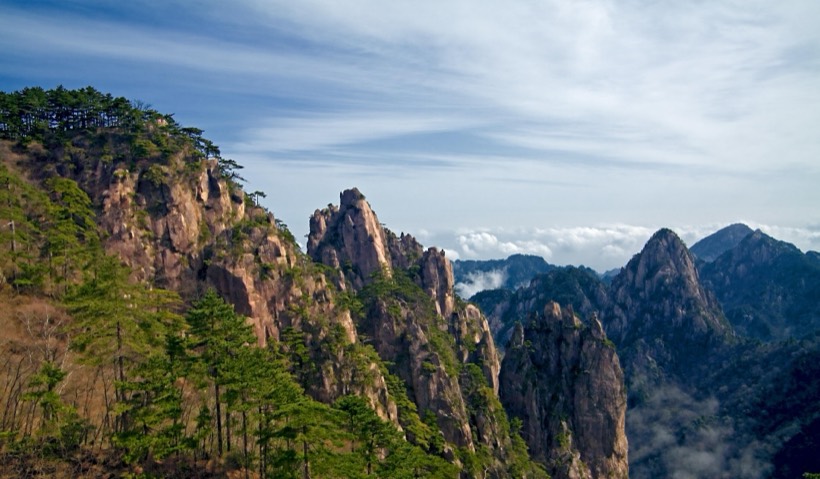
Huangshan (Yellow Mountain) 黄山
Granite spires, twisted pines and a sea of cloud — the mountain that taught Chinese painting what a mountain looks like.
 UNESCO
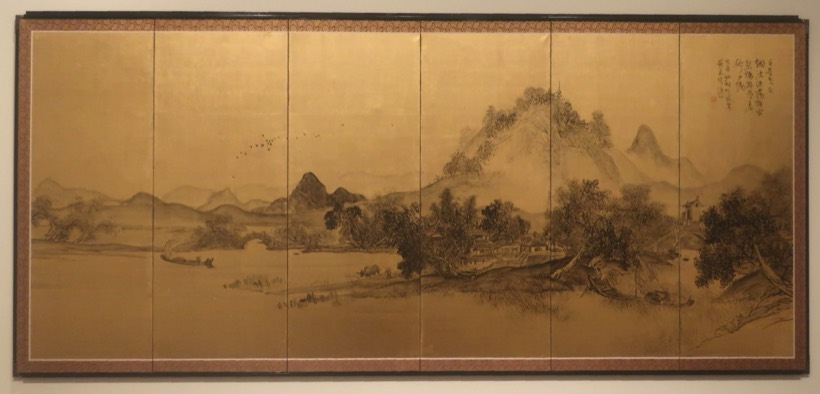
West Lake, Hangzhou 西湖
The most painted, poeticised and imitated lake in Asia — and a UNESCO listing for its influence on garden design across East Asia.