Etiquette & Cultural Notes
China is far less formal than visitors expect, and the rules that matter are few. Here are the ones that are genuinely worth knowing.
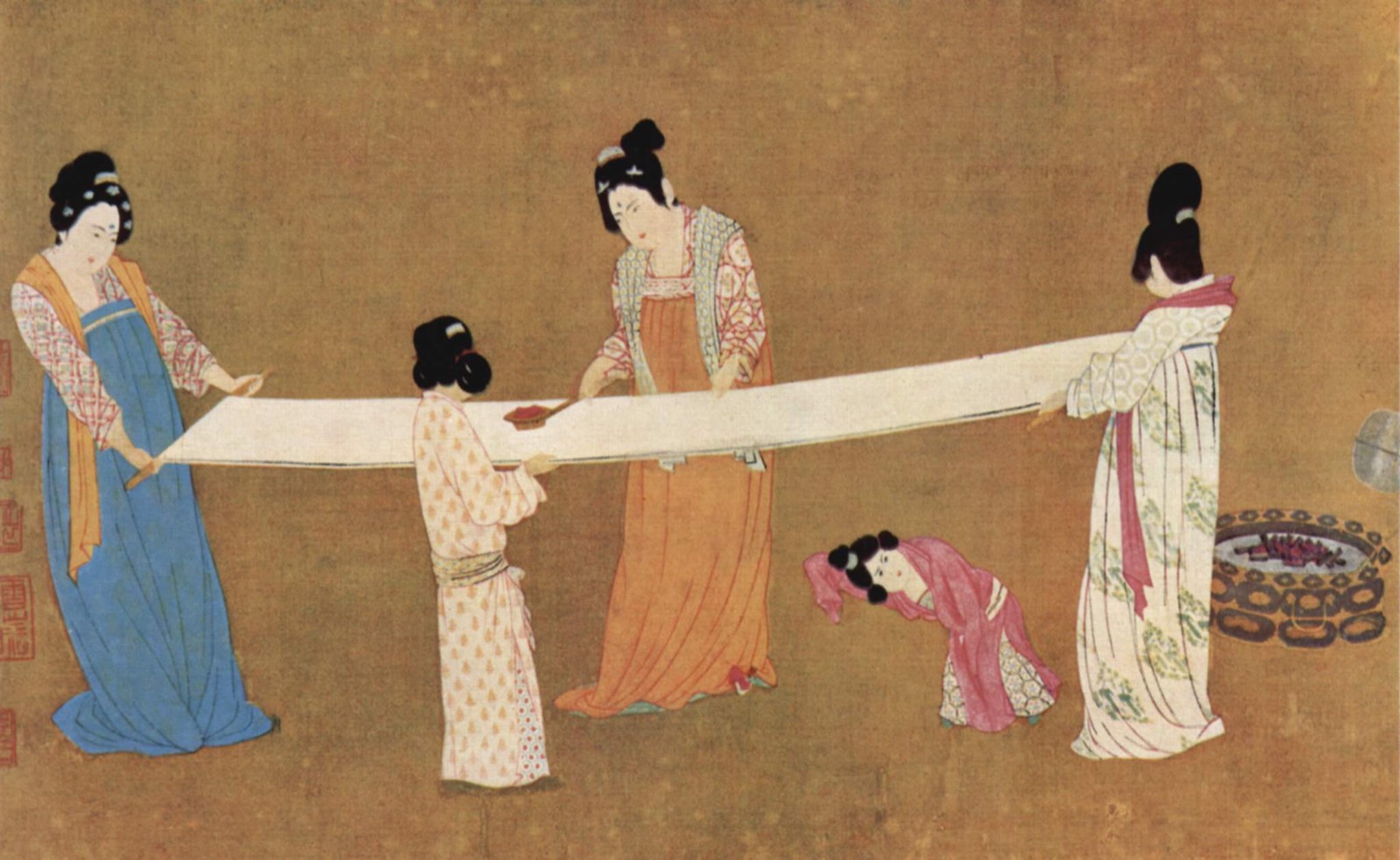
Photo: Meister nach Chang Hsüan · Public domain
Most etiquette advice about China is either outdated or overstated. Foreign visitors are not expected to know local conventions and are readily forgiven for missing them. That said, a handful of things do matter — either because they cause real offence, or because getting them right makes interactions noticeably warmer.
Things that genuinely matter
- Never stick chopsticks upright in a bowl of rice. It mimics incense at a funeral and reads as a death omen. Lay them across the bowl or on the rest.
- Receive and give things — business cards, gifts, your passport, money — with two hands, or at least with the right hand supported at the wrist. It takes a second and is always noticed.
- Do not touch anyone's head, including children's, and do not point the soles of your feet at a person or an altar.
- Walk clockwise around Buddhist and Tibetan religious structures, and spin prayer wheels clockwise. In Tibetan areas this is not a nicety.
- Ask before photographing people, especially monks, minority women in traditional dress, and anyone at prayer. A gesture with the camera and a smile is enough.
Things that do not matter as much as you think
- Tipping. Not expected in restaurants, taxis or hotels, and occasionally awkward. Private guides and drivers are the exception.
- Slurping, and eating loudly generally. Normal and not rude.
- Elbows on the table, reaching across dishes, standing to serve yourself. All fine.
- Bowing. Not a Chinese custom. A nod and a handshake is the norm.
- Formal dress. China is casual almost everywhere; only high-end restaurants and business settings expect more.
Face, and why it explains a lot
Mianzi — face — is the social currency of dignity and standing, and it explains behaviour that otherwise looks strange. Someone will give you confidently wrong directions rather than admit they do not know. A disagreement will be handled indirectly rather than head-on. Public criticism, even mild, lands much harder than it would at home.
The practical application: never raise your voice, never make someone visibly wrong in front of others, and give people a graceful exit from mistakes. A complaint made quietly and warmly gets resolved; the same complaint made loudly does not.
Queues, personal space and noise
Queueing culture in China is real but looser than in Britain or Japan, and crowds compress in ways that visitors find startling — on metro platforms, at ticket gates, in temple entrances. It is not aggression; personal-space norms are simply different. Hold your ground pleasantly and move with the flow. Public spaces are also louder than Western visitors expect: phone calls on speaker, video watched without headphones, and a general acoustic energy that is simply the norm.
Photography and sensitivity
| Situation | Guidance |
|---|---|
| Military, police, border installations | Do not photograph. This is enforced and can be serious |
| Airports, some stations, government buildings | Discretion advised; security will ask you to stop |
| Inside temples and cave shrines | Frequently prohibited. Look for signs and obey them — pigment and religious practice both matter |
| People in minority dress | Ask. Many will happily agree; some will ask for a small fee, which is fair |
| Drones | Heavily restricted, require registration, and are banned outright over most scenic areas and all border zones |
Conversation
You will be asked how old you are, how much you earn, whether you are married and why not. These are ordinary friendly questions rather than intrusions, and a vague cheerful answer is perfectly acceptable. Politics is best left alone — not because it is dangerous for you, but because it puts your interlocutor in an awkward position, which is precisely the face problem described above.
→Next guide
Health, Safety & Scams
China is a very safe country for visitors. The genuine risks are traffic, air quality, altitude and a handful of well-rehearsed tourist scams.