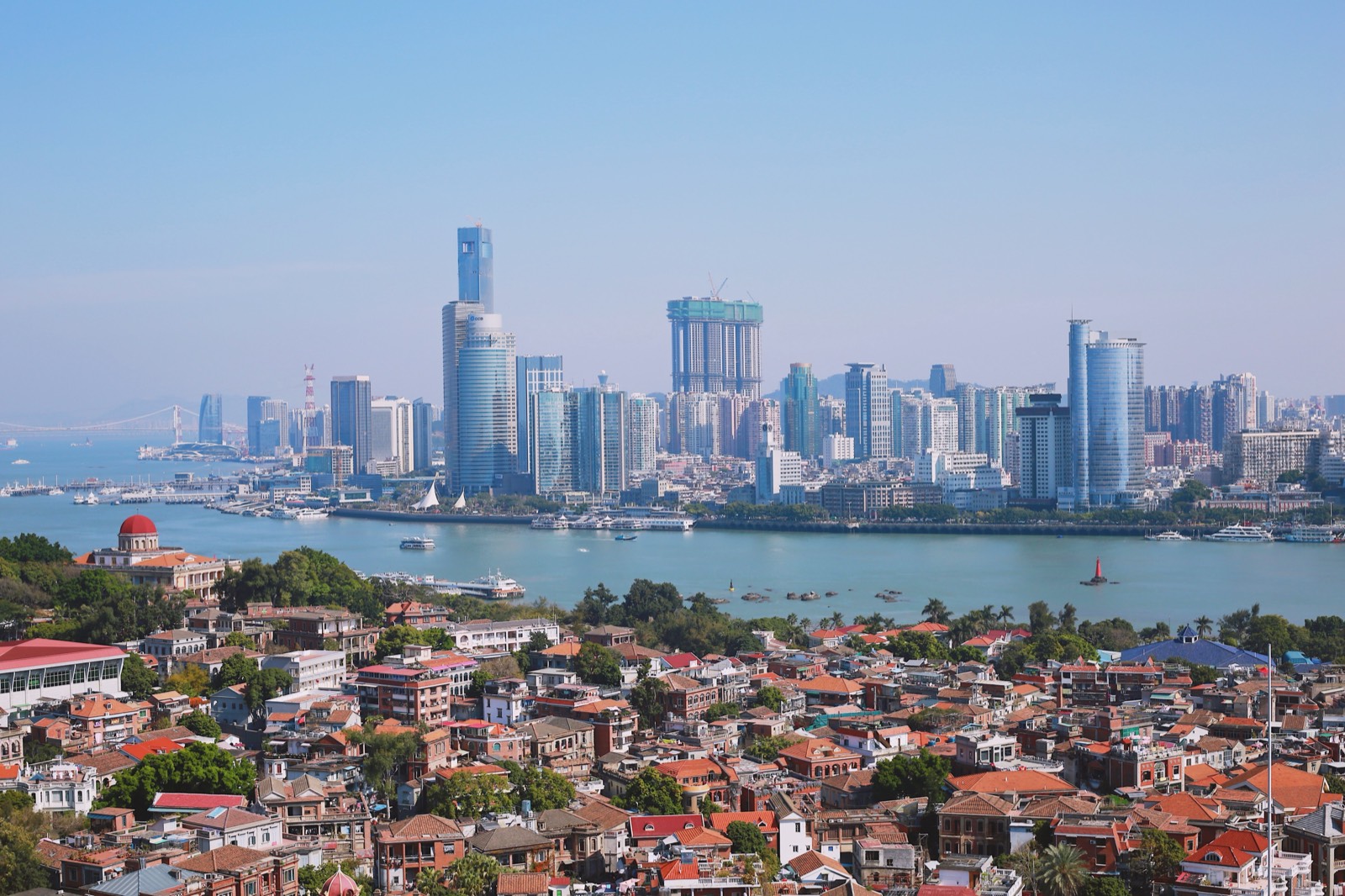
Gulangyu, Xiamen
鼓浪屿 · Gǔlàngyǔ
A car-free island of decaying colonial villas, banyan trees and — genuinely — more pianos per head than anywhere on earth.
Photo: -森屿- · CC BY 2.5
After the Opium War, thirteen countries established consulates on this 1.8 km² island off Xiamen, and for a century Gulangyu was an international settlement of villas, churches, schools and gardens built in a hybrid of European, Southeast Asian and Fujianese styles. UNESCO listed it in 2017 precisely for that hybridity — it calls the result 'Amoy Deco', and the 931 surviving historic buildings make it one of the strangest architectural ensembles in China.
No cars, no bicycles. You walk, and the lanes wander uphill between crumbling stucco, bougainvillea and banyan roots to Sunlight Rock at the island's centre. The missionary schools left a musical tradition that has never faded: the island has produced a remarkable number of China's concert pianists, has a piano museum with 70 historic instruments, and you will hear practising through open windows all afternoon.
It is also extremely popular — five million visitors a year on an island you can cross in twenty minutes — and the main lanes near the ferry are a solid mass of snack shops. The trick is simple: stay overnight. After the last day ferry leaves around 18:30 the island empties, and the version you get in the evening and early morning is quiet, salt-aired and lovely.
Why go
- A World Heritage streetscape unlike anything else in the country
- Car-free walking, sea views and subtropical gardens
- Xiamen across the water is one of the most liveable and best-eating cities in China
- A natural base for the Fujian tulou, two hours inland
Highlights
Sunlight Rock
The island's high point, a granite boulder with steps cut into it and a 360° view over the strait to Xiamen.
Shuzhuang Garden & Piano Museum
A seaside garden built by a Taiwanese merchant in 1913, now housing 70 antique pianos including several Broadwoods and Steinways.
The villa lanes
Longtou Road is the crowded one; head instead for Fujian Road, Lujiao Road and Bishan Road, where the grand decaying consulates are.
Catholic Church & Trinity Church
A small Gothic chapel from 1917 and a red-brick Protestant church from 1934, both still in use.
Xiamen: Zengcuoan & Nanputuo
On the mainland — a surf-adjacent village of cafés and a large working Buddhist temple with a good vegetarian restaurant.
Photographs
Getting there & practicalities
Getting there
Fly or take high-speed rail to Xiamen (5h from Shanghai, 4h from Guangzhou). Tourist ferries run from Xiamen's Dongdu (邮轮中心) terminal, about 20 minutes, ¥35–50 return; the short Lundu ferry is for residents and overnight guests only.
Tickets
Island entry is free; the ferry is the cost. A combined ticket for the five main sights (Sunlight Rock, Shuzhuang Garden, Piano Museum, Haoyue Garden, Organ Museum) is ¥100.
Opening hours
Ferries roughly 07:10–18:30 for day visitors, with a limited night service for overnight guests. Sights 07:30–18:00.
Best time of day
Stay a night. The island between 19:00 and 09:00 is a completely different place.
What everyone gets wrong
- Book the ferry online in advance — slots are capped at 65,000 visitors a day and sell out in summer.
- If you are staying overnight, your guesthouse booking lets you use the shorter, cheaper resident ferry.
- Luggage is a problem on a car-free island of stairs. Travel light or use the porter services at the pier.
- The snack streets near the pier are a tourist trap. Eat in Xiamen — the city's food is far better.
- Typhoon season is July to September and ferries suspend at short notice.
What to eat
- Xiamen's shacha noodles, satay-spiced and unique to southern Fujian
- Oyster omelette (haolijian) and peanut soup at the Bashi market in Xiamen
- Fujian oolong — Tieguanyin from Anxi, an hour inland
→Combine it with
Nearby and next
 UNESCO
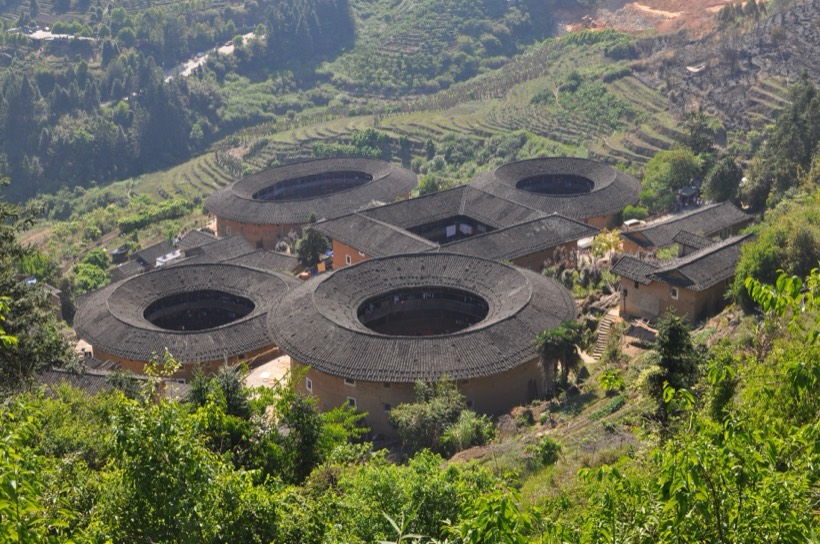
Fujian Tulou 福建土楼
Rammed-earth clan fortresses up to five storeys high and 70 metres across, housing 800 people behind a single door.
 UNESCO
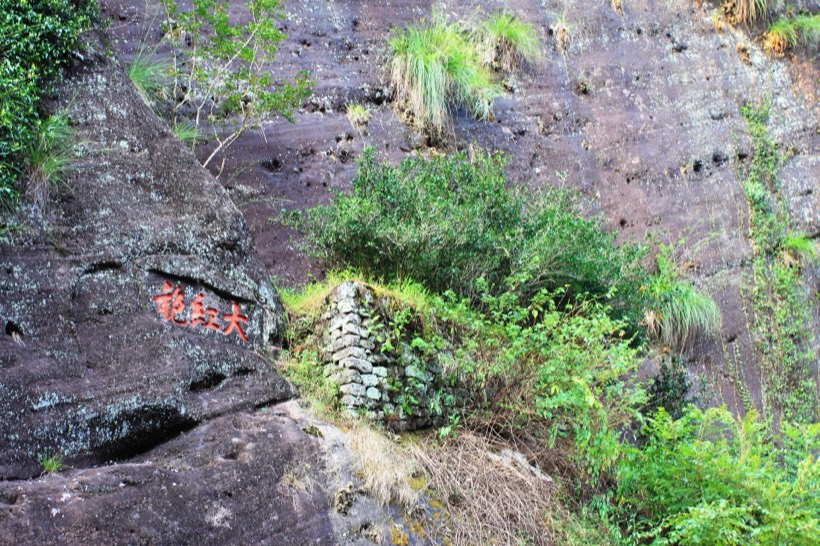
Wuyi Mountains 武夷山
Bamboo rafts down a jade river between red sandstone cliffs, past the terraces that produce the world's most expensive tea.
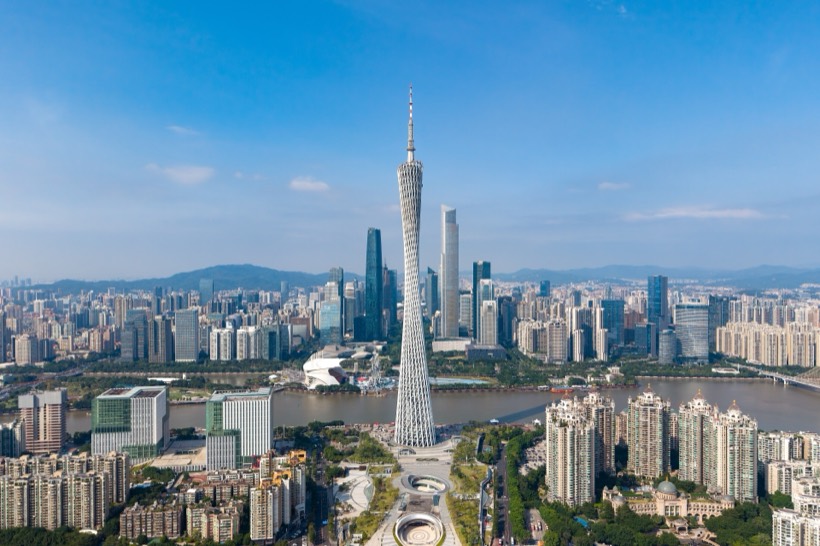
Guangzhou 广州
Canton: two thousand years of foreign trade, the birthplace of dim sum, and the best eating city in China.