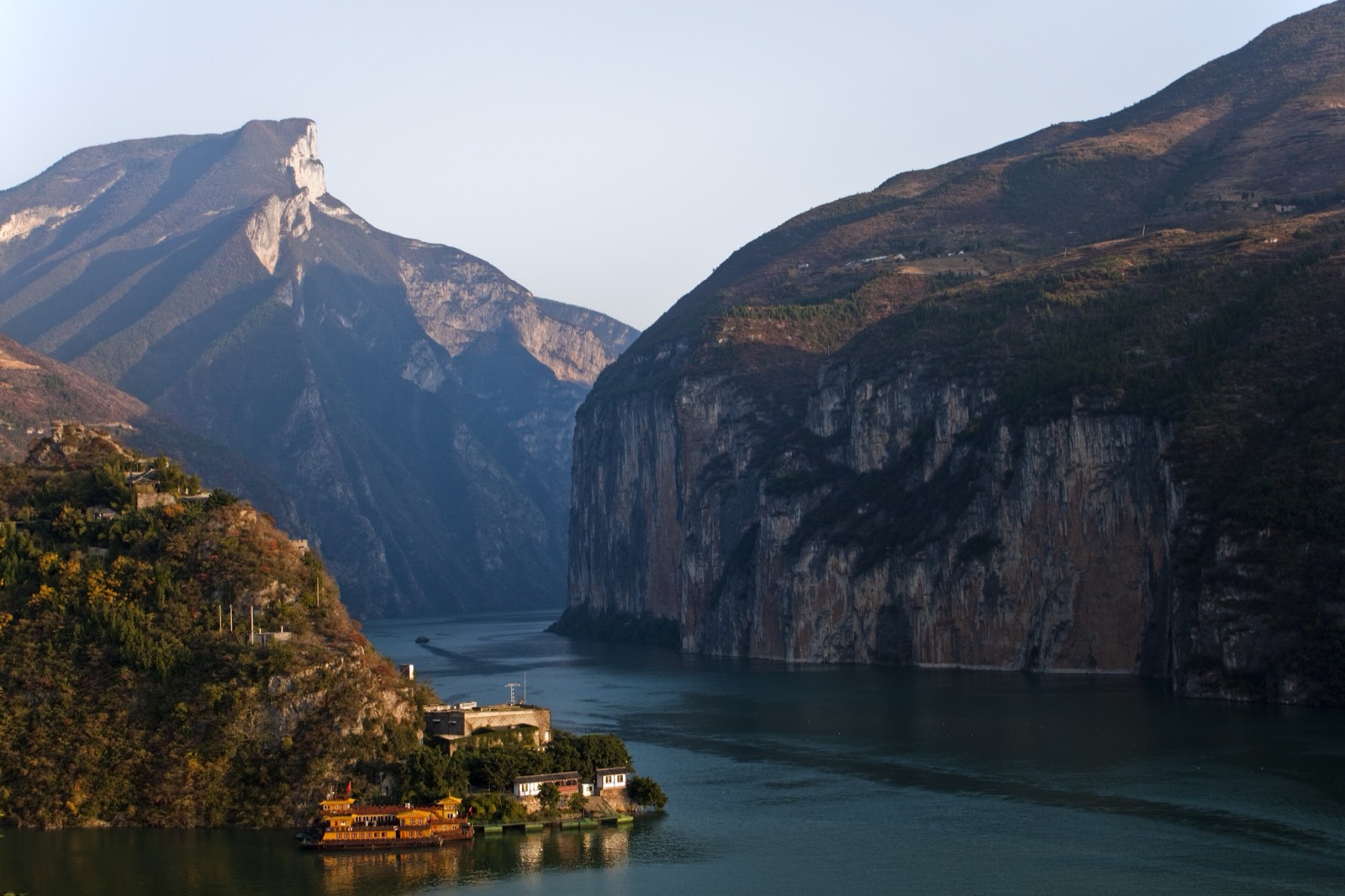
The Yangtze Three Gorges
长江三峡 · Chángjiāng Sānxiá
Two hundred kilometres of gorge on the world's third-longest river, ending at the largest hydroelectric dam ever built.
Photo: Tan Wei Liang Byorn · CC BY 3.0
The Yangtze cuts through the Wushan mountains in three successive gorges — Qutang, Wu and Xiling — over about 200 kilometres between Fengjie and Yichang. Qutang is the shortest and most dramatic, eight kilometres between cliffs that close to 100 metres apart; it is the scene printed on the ¥10 note. Wu Gorge is the longest and most consistently beautiful, 45 kilometres of forested peaks usually wrapped in cloud. Xiling was historically the most dangerous, full of rapids that killed boatmen for centuries.
The rapids are gone. The Three Gorges Dam, completed in 2006, raised the water level by up to 110 metres, drowned 13 cities, 140 towns and 1,350 villages, displaced 1.3 million people, and submerged a large number of archaeological sites. It also generates around 100 TWh a year — more than any other power station on earth — and made the river navigable to 10,000-tonne ships as far as Chongqing. Whatever you think of the trade, it is one of the largest deliberate landscape alterations in human history and seeing it is part of the point.
The cruise is the way to do it: three to five nights, downstream from Chongqing to Yichang (faster, and the recommended direction) or upstream in reverse. International-standard ships — Century, Victoria, President — run at Western comfort levels; domestic ships are much cheaper and much more basic. Side trips by smaller boat into the Shennong Stream and the Lesser Three Gorges are the best parts of most itineraries.
Why go
- The classic Yangtze journey, and the gorges remain genuinely spectacular even at raised water level
- The Three Gorges Dam ship lift — a vessel elevator that raises a 3,000-tonne ship 113 metres
- Shennong Stream, poled through a narrow tributary gorge by Tujia boatmen
- A comfortable way to cover 650 km between Chongqing and Yichang while sleeping
Highlights
Qutang Gorge
Eight kilometres, the narrowest and steepest. Kuimen, the gate at its western end, is on the ¥10 note. Usually passed at dawn.
Wu Gorge & Goddess Peak
45 km of cliffs and cloud, with the Twelve Peaks and the slender Goddess Peak above them. The most consistently beautiful stretch.
Shennong Stream
A side excursion into a clear tributary on small hand-poled sampans, through a gorge too narrow for the ship. The best few hours of the cruise.
White Emperor City
A hilltop temple site at the head of Qutang, now an island since the dam. Associated with the Three Kingdoms and with Li Bai's most famous poem.
Three Gorges Dam
2,335 m long, 185 m high, with a five-stage lock system and a ship lift. Your vessel goes through it, which takes about four hours and is genuinely impressive.
Fengdu Ghost City
A temple complex on the north bank devoted to the Chinese underworld, with statues of demons and judges. Included on most upstream itineraries.
Photographs
Getting there & practicalities
Getting there
Cruises board at Chongqing Chaotianmen (downstream) or Yichang (upstream). Chongqing is 2h from Chengdu by rail; Yichang is 4h from Wuhan and 2h from Chongqing. Most cruise lines include the transfer.
Tickets
Four-day downstream cruises run roughly ¥2,000–3,500 per person on a domestic ship and ¥5,000–9,000 on an international-standard vessel, including meals and most shore excursions.
Opening hours
Ships sail overnight and moor for shore excursions during the day.
Best time of day
April–May and October–November. Summer brings haze and heat; winter has low water and thinner schedules.
What everyone gets wrong
- Go downstream. It is faster (3–4 nights vs 5), cheaper, and the gorges are timed better for daylight.
- Book a cabin with a private balcony on a high deck. This is the one upgrade that genuinely matters.
- Check which shore excursions are included — Shennong Stream and White Emperor City are the two worth paying for.
- International-standard ships have English-speaking staff and lectures; domestic ships often have neither. Ask directly.
- The dam lock transit happens at night on some schedules. If you want to see it, confirm the timing before booking.
What to eat
- Chongqing hotpot before you board; Hubei freshwater fish and lotus root soup after
- Ship food is buffet Chinese with a Western corner — fine, not a highlight
→Combine it with
Nearby and next
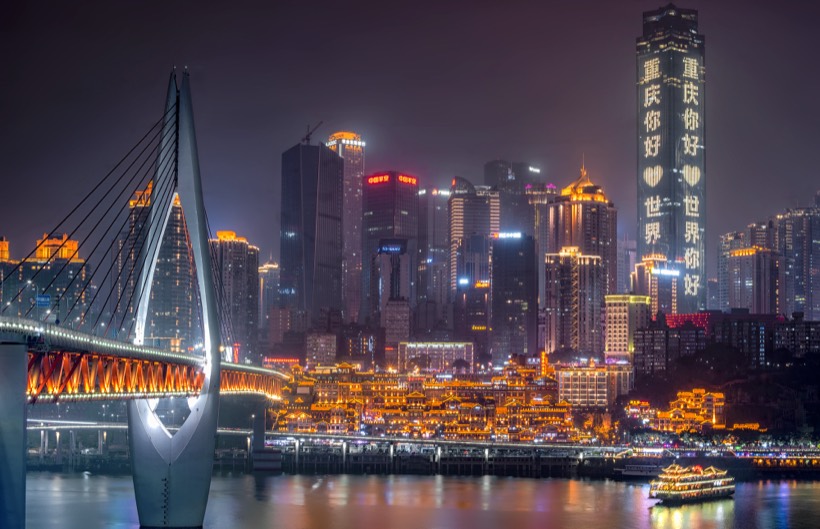
Chongqing 重庆
A city built vertically on cliffs between two rivers, where the metro drives through an apartment block and the ground floor might be the twenty-second.
 UNESCO
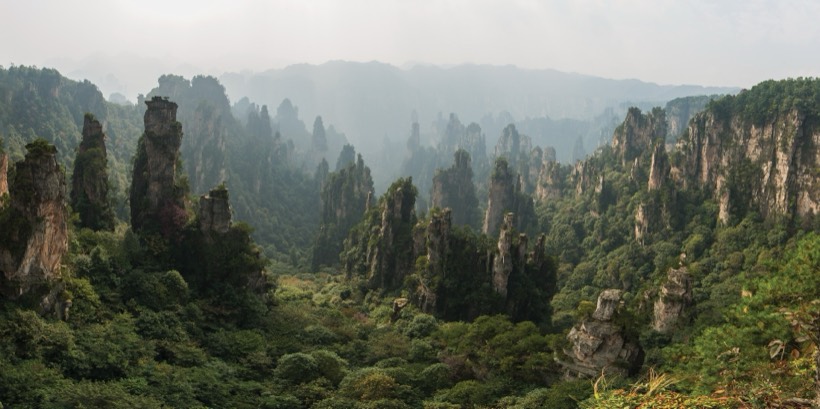
Zhangjiajie 张家界
Three thousand quartz-sandstone pillars rising out of the cloud — the mountains Avatar borrowed and never gave back.