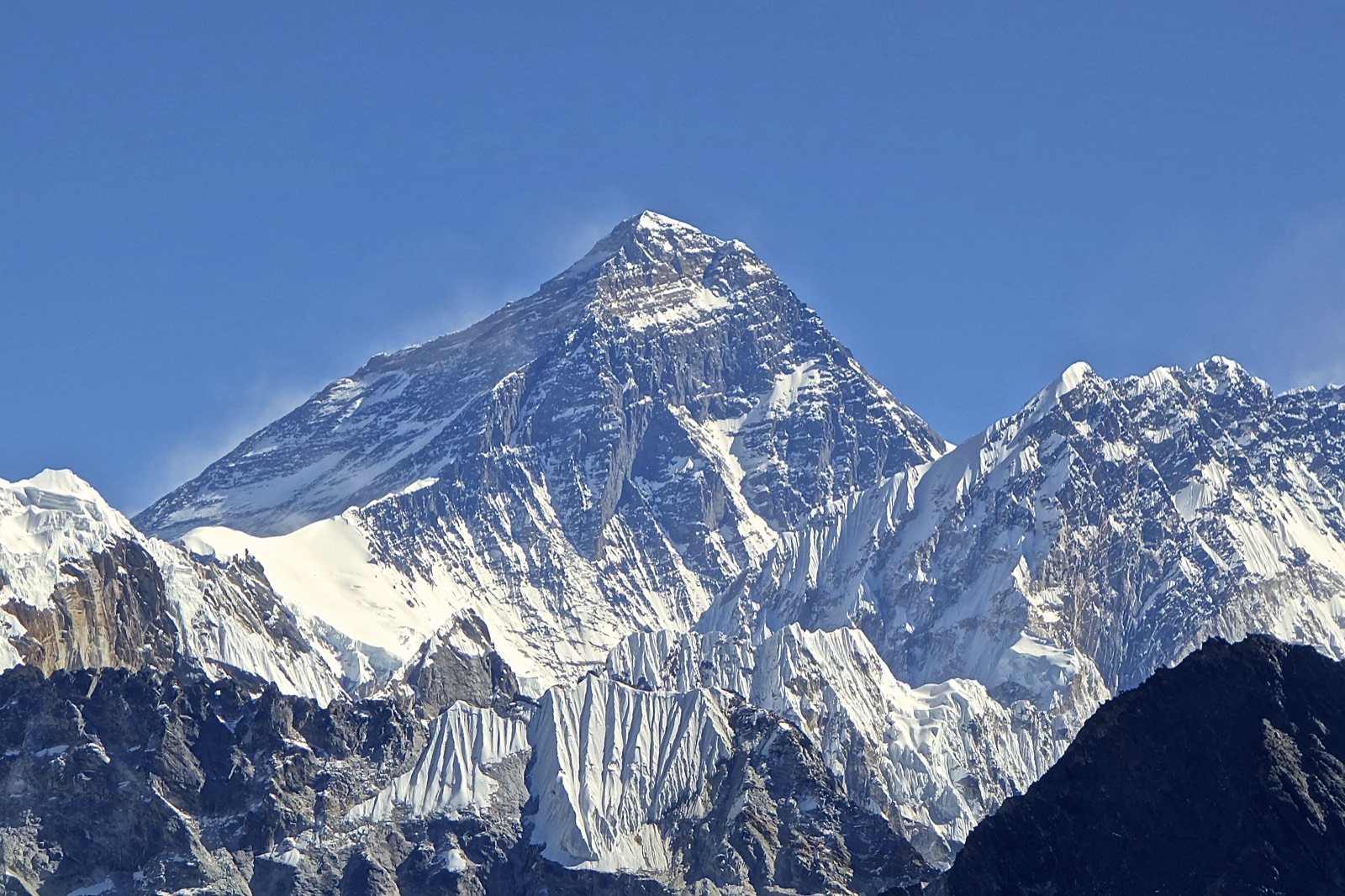
Everest North Base Camp
珠峰大本营 · Zhūfēng Dàběnyíng
The one side of Everest you can reach by road — 5,200 metres, a monastery, and the whole north face in front of you.
Photo: Rdevany · CC BY-SA 3.0
Nepal's base camp is an eight-day trek. Tibet's is a drive. The road from Lhasa runs 600 km southwest through Gyantse and Shigatse, over the 5,220 m Gyatso La pass, then turns off the Friendship Highway at Tingri and switchbacks up a valley to Rongbuk at 5,000 metres. From the monastery — the highest in the world — the north face of Everest fills the head of the valley, 3,800 metres of rock and ice, entirely unobstructed.
That unobstructed view is the whole argument for the north side. From Nepal, Everest is largely hidden behind Nuptse until you are well up the trail. From Rongbuk you step out of a vehicle and it is simply there, from base to summit, often with the plume of spindrift blowing east off the ridge. On a clear morning with alpenglow on the face it is as good as mountain views get anywhere on earth.
Access rules change frequently. Since 2019 foreign tourists generally stop at the Rongbuk tourist camp around 5,150 m rather than continuing to the climbers' base camp at 5,200 m, and accommodation is in tents or the monastery guesthouse. Everything — permits, vehicle, guide, the Alien's Travel Permit and military permit needed beyond Shigatse — is arranged by your agency as part of a Tibet tour. Confirm current arrangements when you book.
Why go
- The best road-accessible view of Everest anywhere, with no trek required
- The route itself: Yamdrok Lake, Gyantse's Kumbum stupa, Tashilhunpo at Shigatse
- Rongbuk, the highest monastery on earth, with a working community of monks and nuns
- Night skies at 5,000 m with no light pollution and no moisture
Highlights
The north face from Rongbuk
Sunrise and sunset are the moments — the face turns gold, then pink. It is often clearest very early and clouds over by 10:00.
Rongbuk Monastery
Founded 1902 at 4,980 m, the highest in the world. A small, working Nyingma community with Everest framed in the courtyard gate.
Gyatso La pass
5,220 m on the drive in, with prayer flags and a panorama that takes in four 8,000 m peaks — Everest, Lhotse, Makalu and Cho Oyu.
Gyantse Kumbum
On the way: a 1418 stupa of nine tiers and 77 chapels, containing the most complete surviving cycle of Tibetan murals anywhere.
Tashilhunpo, Shigatse
Seat of the Panchen Lamas, with a 26 m gilded Maitreya — the largest gilded copper statue in the world.
Photographs
Getting there & practicalities
Getting there
Only as part of a permitted Tibet tour with a guide and driver. Three to four days from Lhasa via Gyantse and Shigatse is standard; some itineraries continue to the Nepal border at Gyirong.
Tickets
Everest reserve entry is around ¥160 per person plus a vehicle fee of ¥400, typically included in the tour price. Expect a total Lhasa–EBC extension cost of ¥2,500–4,500 per person.
Opening hours
The site is open access once you are through the checkpoint; the shuttle from the tourist camp runs during daylight.
Best time of day
Late April to early June and late September to October, when the monsoon is out and the face is clearest.
What everyone gets wrong
- Acclimatise properly in Lhasa first — at least three nights — then Shigatse, then Everest. Do not compress this.
- Nights at Rongbuk are −10°C or colder even in May, in unheated tents. A four-season sleeping bag is not optional.
- Bring cash. There is nothing at Rongbuk that takes a card, and mobile signal is intermittent.
- Altitude at 5,150 m is serious. Know the symptoms of HACE and HAPE, and treat descent as the only real treatment.
- Access rules and the exact permitted stopping point change. Confirm with your agency within a month of travel.
What to eat
- Instant noodles, thukpa and butter tea at the tent camp. This is not a culinary destination.
- Eat well in Shigatse on the way — the last real restaurants are there.
→Combine it with
Nearby and next
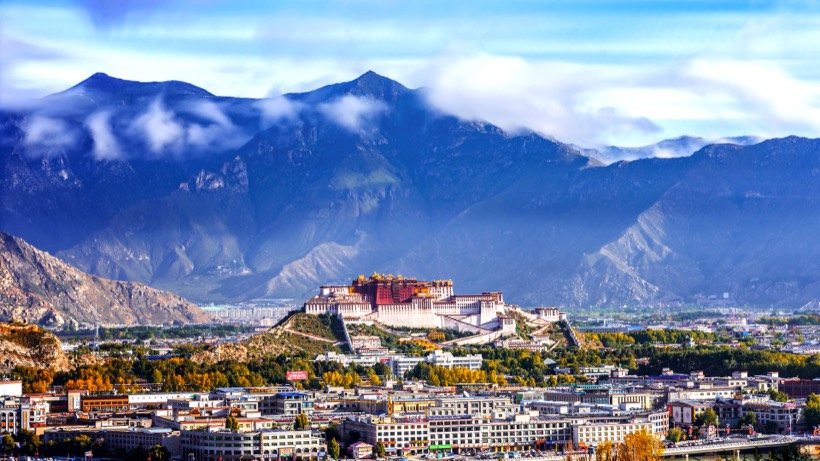 UNESCO
Lhasa & the Potala 拉萨与布达拉宫
A thousand-room palace on a rock at 3,700 metres, and a pilgrimage circuit that has not stopped turning for thirteen centuries.
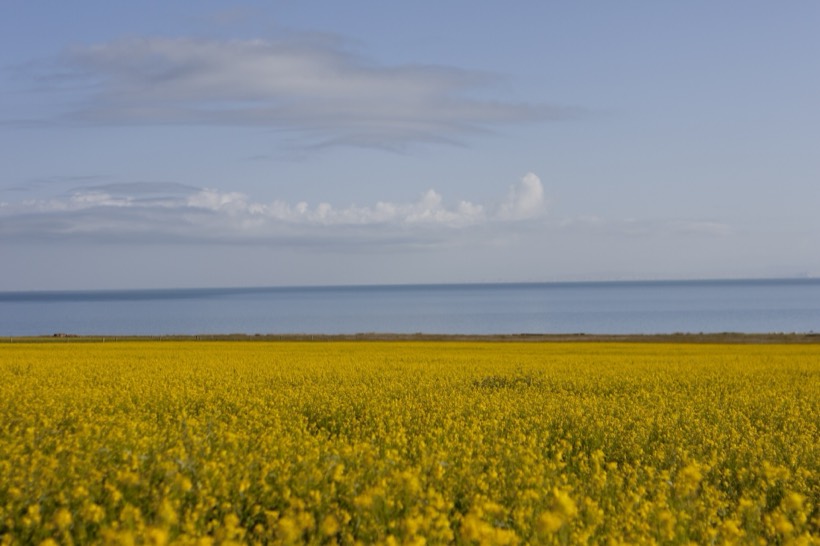
Qinghai Lake & Chaka 青海湖与茶卡盐湖
China's largest lake, saline and 3,200 metres up, ringed by rapeseed fields that turn the shore yellow every July.