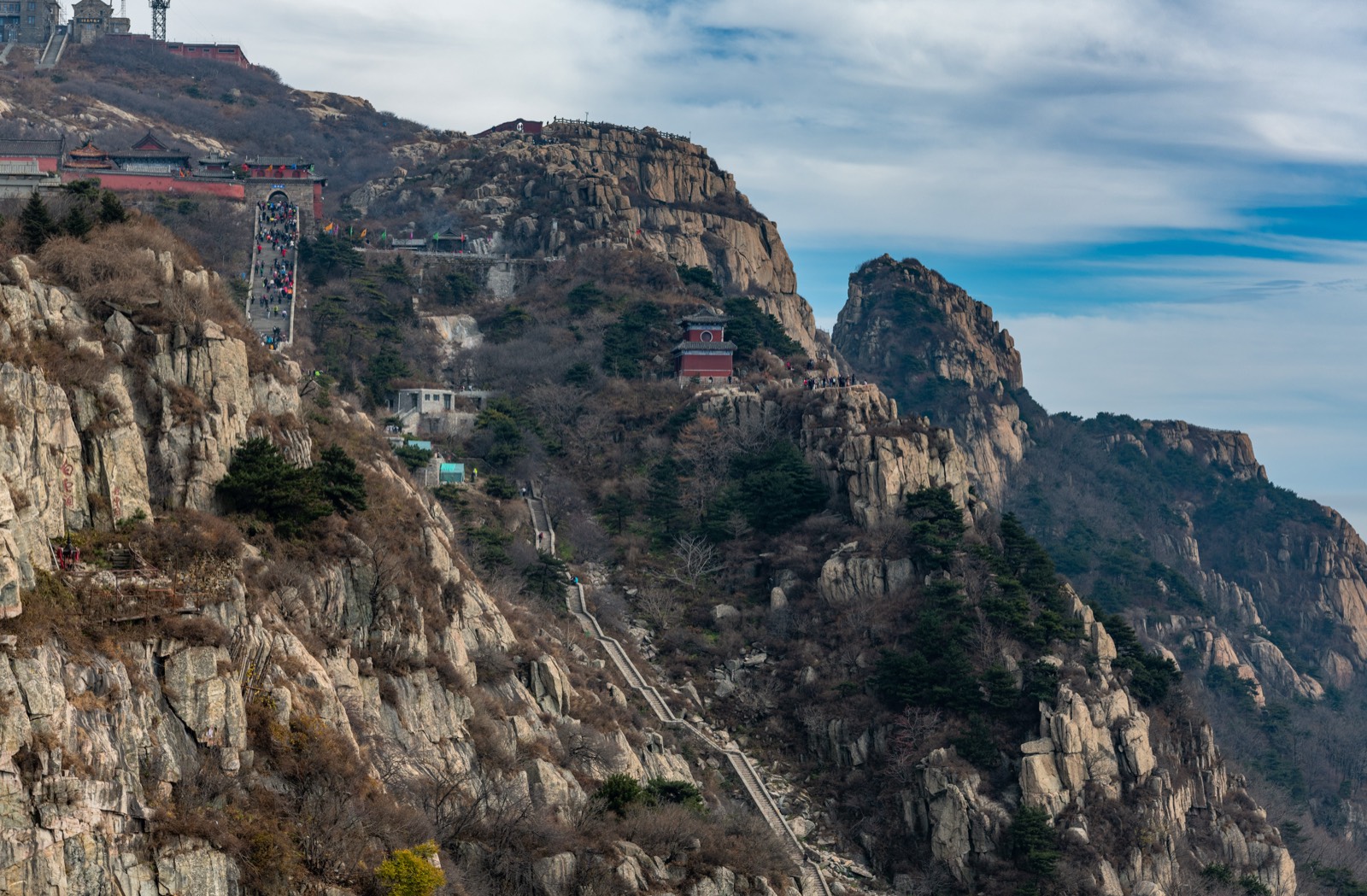
Mount Tai
泰山 · Tài Shān
Six thousand six hundred steps, seventy-two emperors, and three thousand years of people climbing this exact staircase.
Photo: xiquinhosilva · CC BY 2.0
Tai Shan is the chief of the Five Great Mountains of Daoism and the most climbed sacred peak in China. It is not the highest — 1,545 metres — but it rises abruptly from the flat Shandong plain, which is why it has been read since the Zhou dynasty as the place where earth meets heaven. Seventy-two emperors performed the feng and shan sacrifices here; Confucius climbed it and remarked that the world had grown small; Mao climbed it and remarked that the east was red.
The classic route is the Central Path: 6,660 stone steps from the Dai Temple in Tai'an town up through eleven gates, past 1,800 rock inscriptions carved by pilgrims and emperors over two millennia, to the Southern Gate to Heaven. It takes four to six hours and the last stretch — the Eighteen Bends, 1,600 steps at a punishing gradient — is where most people's legs give out.
Most Chinese visitors climb overnight, leaving town around midnight, to reach the summit for sunrise. The mountain is lit, there are noodle stalls at intervals, and you can rent an army greatcoat at the top. It is a genuinely communal experience — thousands of people, families, students, grandmothers, all grinding upward in the dark — and it is the single most Chinese thing in this guide.
Why go
- The most continuously venerated site in China, and you climb it exactly as pilgrims did in 200 BC
- 1,800 cliff inscriptions, effectively an open-air museum of Chinese calligraphy
- The sunrise above the cloud sea, when it happens, is genuinely extraordinary
- Qufu, Confucius's home town, is 40 minutes away and pairs perfectly
Highlights
Dai Temple
At the foot in Tai'an. The imperial temple where emperors prepared for the ascent, with a Song-dynasty mural running 62 metres around the main hall.
The Eighteen Bends
The final 1,600 steps at up to 70 degrees, ending at the Southern Gate to Heaven. Brutal, and the defining stretch of the climb.
Jade Emperor Peak
The summit, with a wordless stele that has puzzled scholars for 2,000 years, and the sunrise viewing platform at Riguan Peak.
Cliff inscriptions
The Diamond Sutra carved into a stream bed in characters half a metre across, and the enormous Tang Cliff Inscription gilded on the summit rock face.
Qufu
40 minutes by high-speed rail: the Confucius Temple, Mansion and Forest, where the family has been buried continuously for 2,500 years.
Photographs
Getting there & practicalities
Getting there
Tai'an station on the Beijing–Shanghai high-speed line: 2h from Beijing, 2h30 from Shanghai. Bus 3 or 19 to the Red Gate trailhead (Central Path) or the Tianwaicun bus terminal for the Zhongtianmen shuttle.
Tickets
¥115 (¥100 November–January). Cable car ¥100 up, ¥100 down. The park bus to Zhongtianmen midpoint is ¥30.
Opening hours
Open 24 hours. The cable cars run roughly 07:00–17:30, extended for sunrise in summer.
Best time of day
Midnight start for sunrise, or 08:00 for a daylight climb with the crowds thinner.
What everyone gets wrong
- You can bus to Zhongtianmen (the halfway point) and climb only the top half, or take the cable car and walk down. No shame in either.
- Descending 6,000 steps destroys your quads. Most people who walk up take the cable car down, and they are right.
- Summit hotels are basic and expensive and book out. Reserve if you want the sunrise without the night climb.
- The summit is 10–15°C colder than town and windy. Coat rental at the top is ¥30 and worth it.
- Statistically the sunrise is clear on roughly a third of mornings. Treat it as a bonus, not a plan.
What to eat
- Tai'an's speciality is a three-part banquet of local tofu, Tai Shan spring water and wild vegetables
- Noodle stalls all the way up the Central Path — ¥20 for a bowl at 3am is one of travel's better bargains
→Combine it with
Nearby and next
 UNESCO
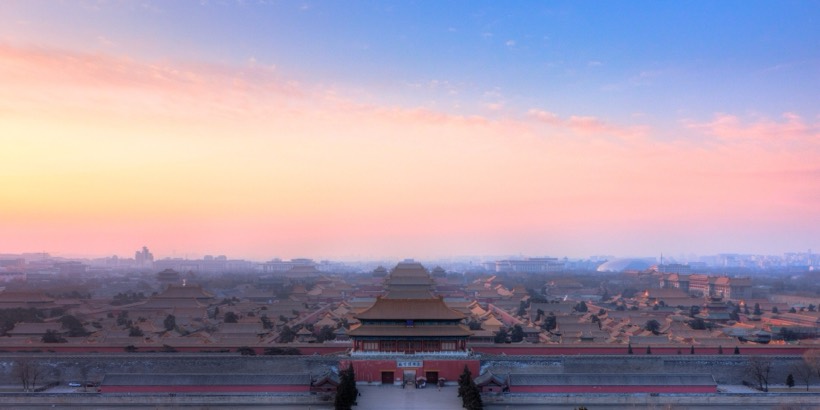
The Forbidden City 紫禁城
980 buildings, 8,700 rooms, 24 emperors and five centuries in which almost no outsider was allowed through the gate.
 UNESCO
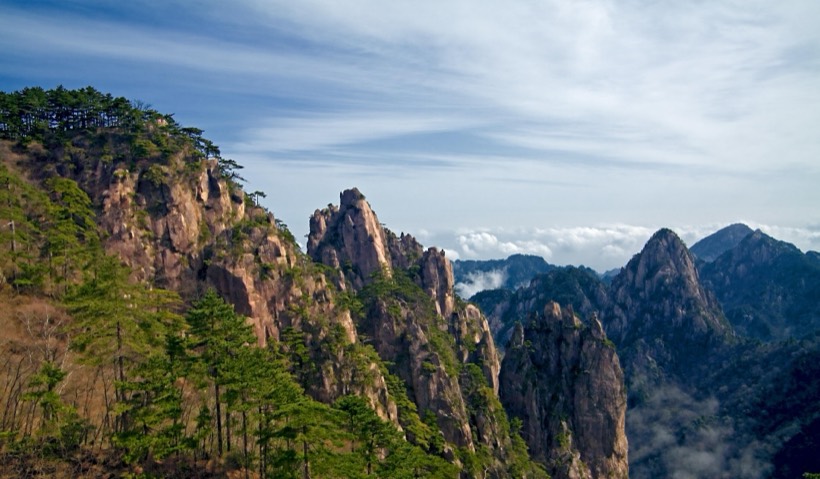
Huangshan (Yellow Mountain) 黄山
Granite spires, twisted pines and a sea of cloud — the mountain that taught Chinese painting what a mountain looks like.